MEET VIGIA
Real-time road intelligence on the edge
Low-latency audio understanding, hazard memory, and a generative co-pilot that speaks before trouble.
REAL-TIME ROAD INTELLIGENCE
Start from anywhere. We'll meet you there
Bring your own sensors, start with a template, or even a prompt. VIGIA meets you where you are and gets you live fast.
INTERACTIVE DEMO
Contextual Awareness
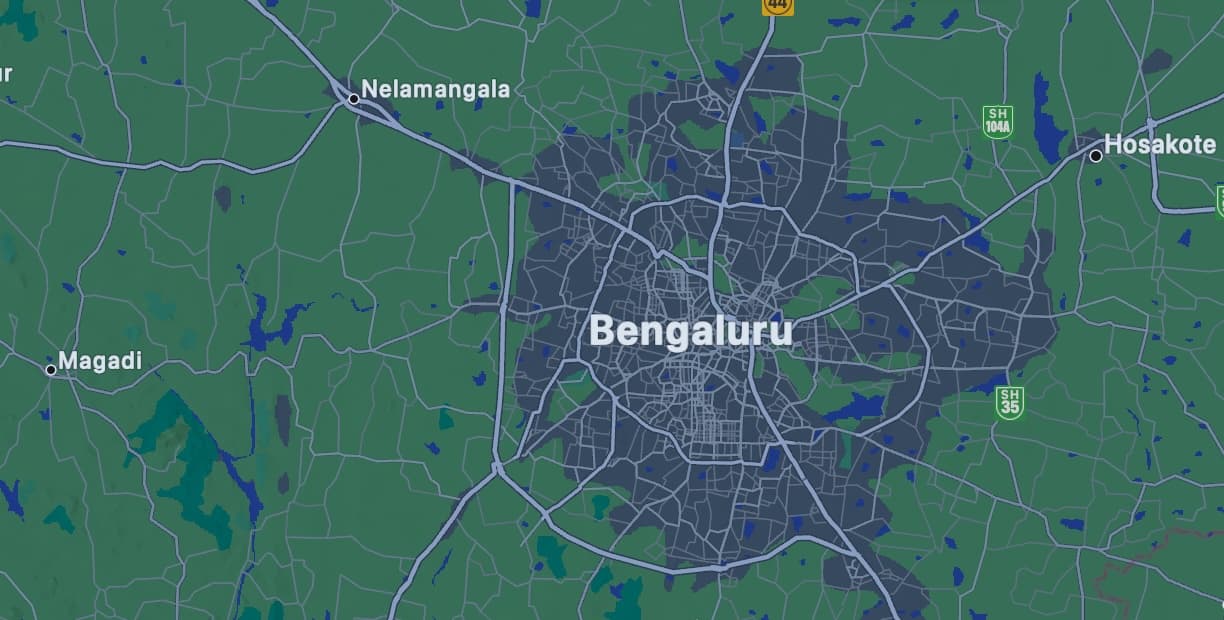
As you scroll inside this section, the co-pilot scrubs a short route in Bengaluru, recalls nearby hazards from memory, and speaks before you reach them.
ECONOMICS
VGT powers the road‑hazard economy.
Contributors earn VGT for verified road-hazard data. Developers spend VGT for APIs, GeoRAG tiles, and alerts—closing the loop between supply and demand.
VGT is the settlement layer for VIGIA: every confirmed hazard, every data tile, and every high-priority alert eventually flows through this token. Rewards are transparent and on‑chain.
Data usage
Reward split
Burn & scarcity
Built for contributors
COVERAGE
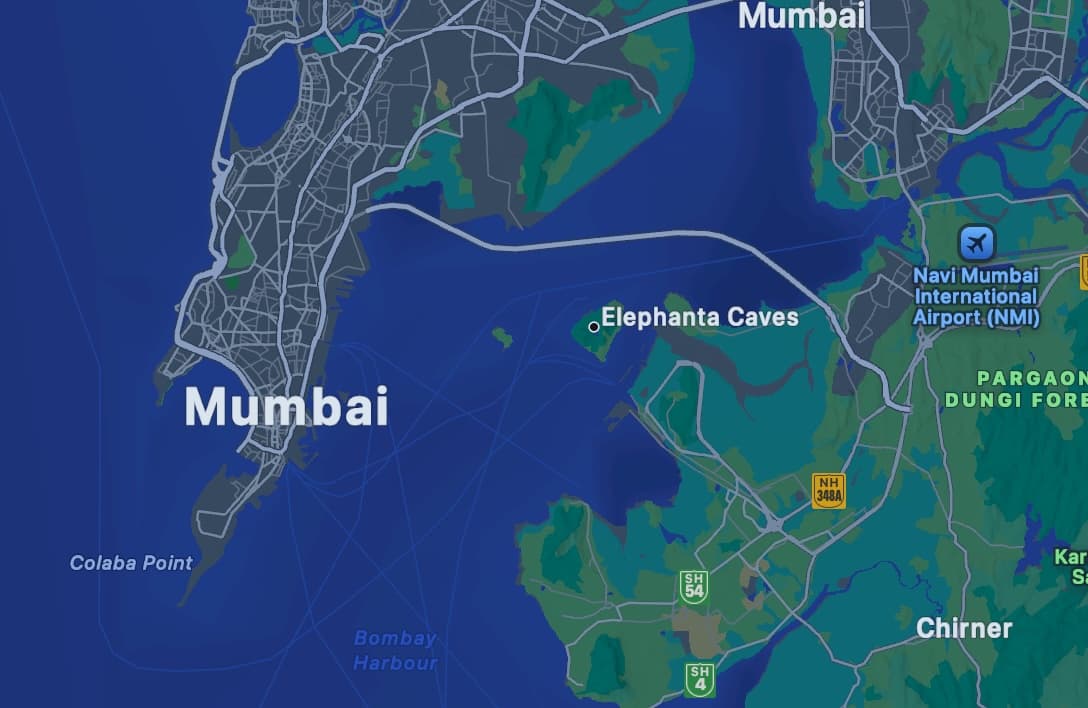
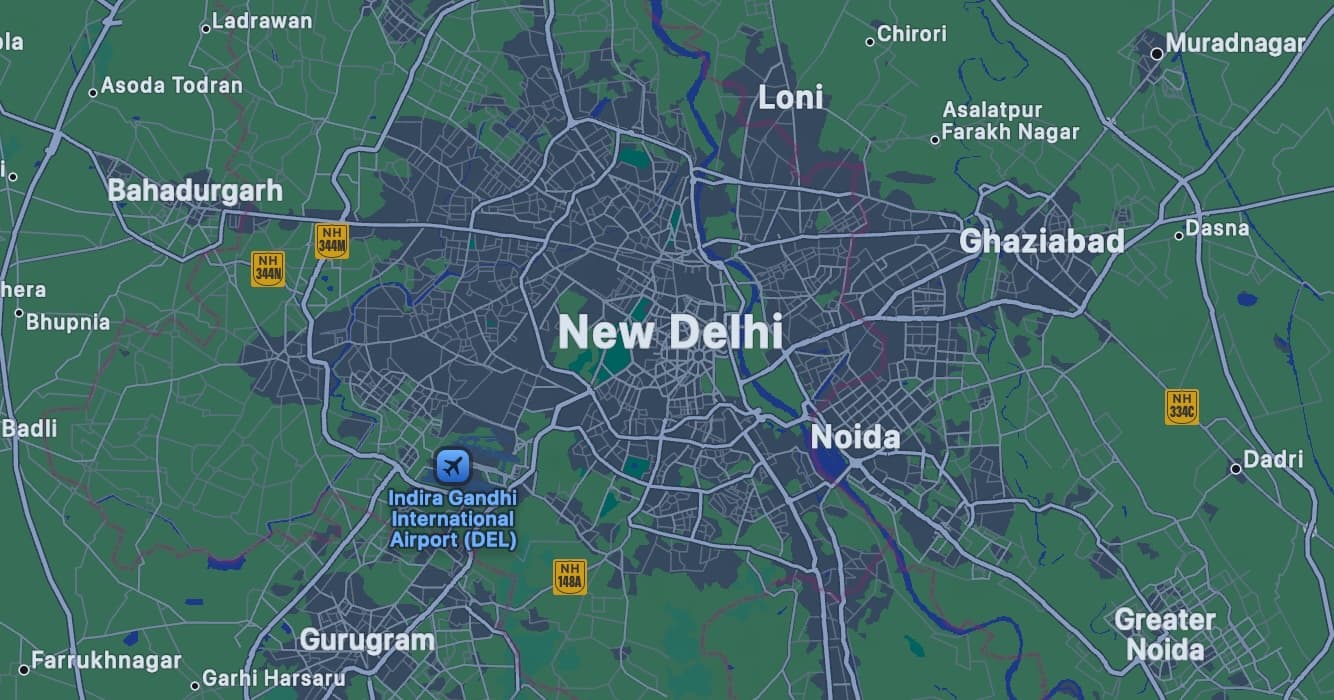
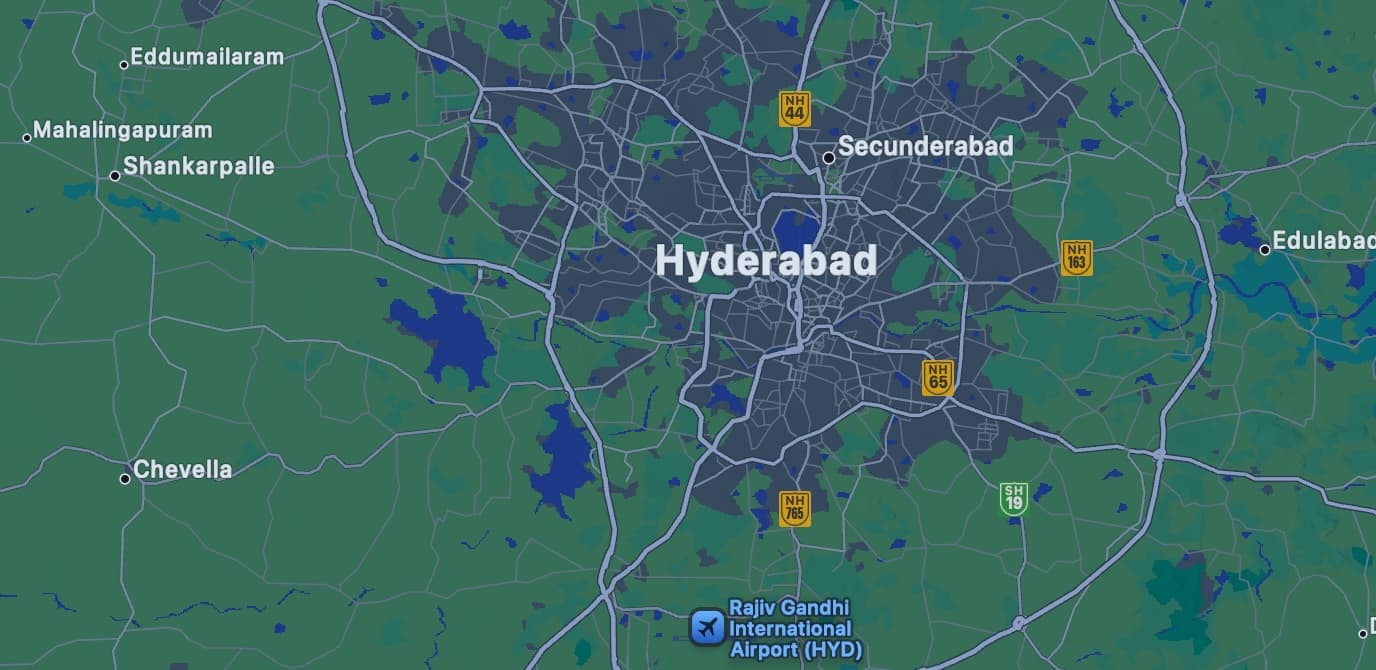
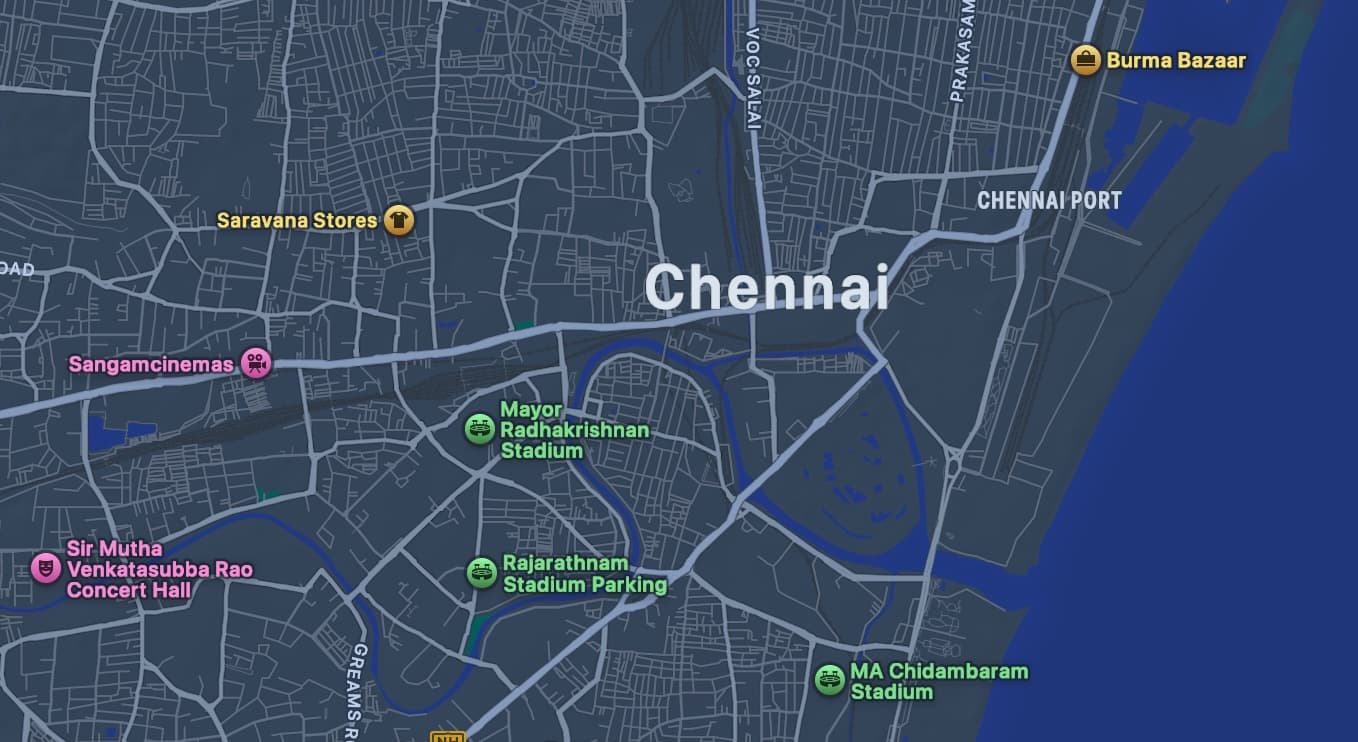
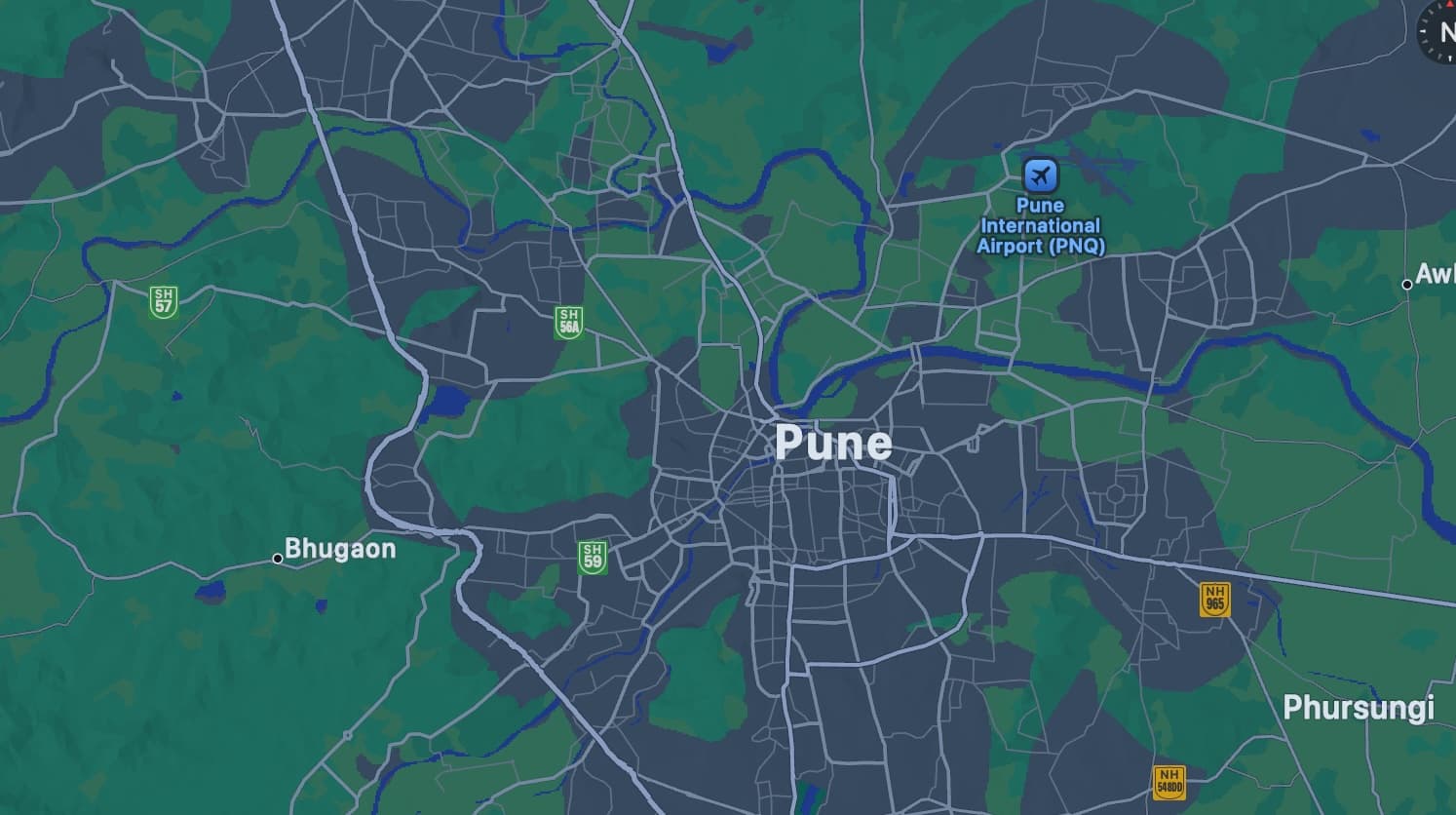
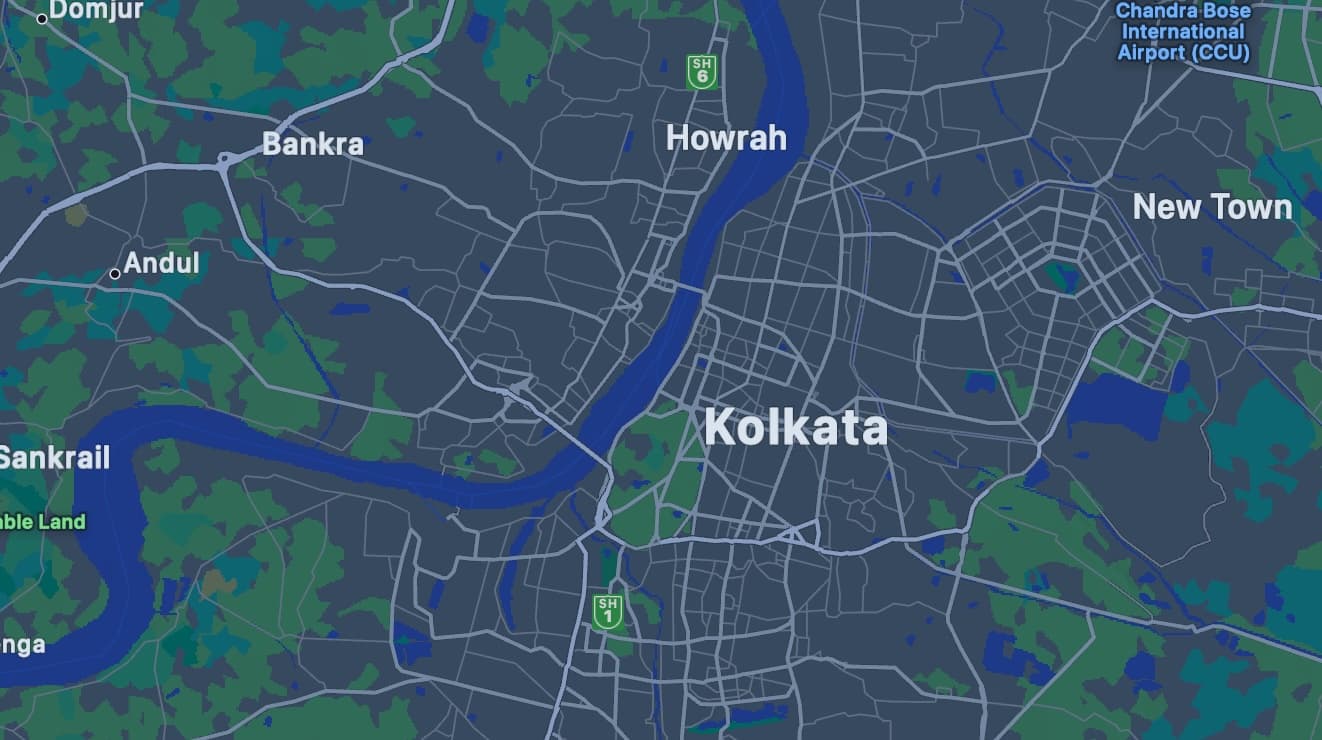
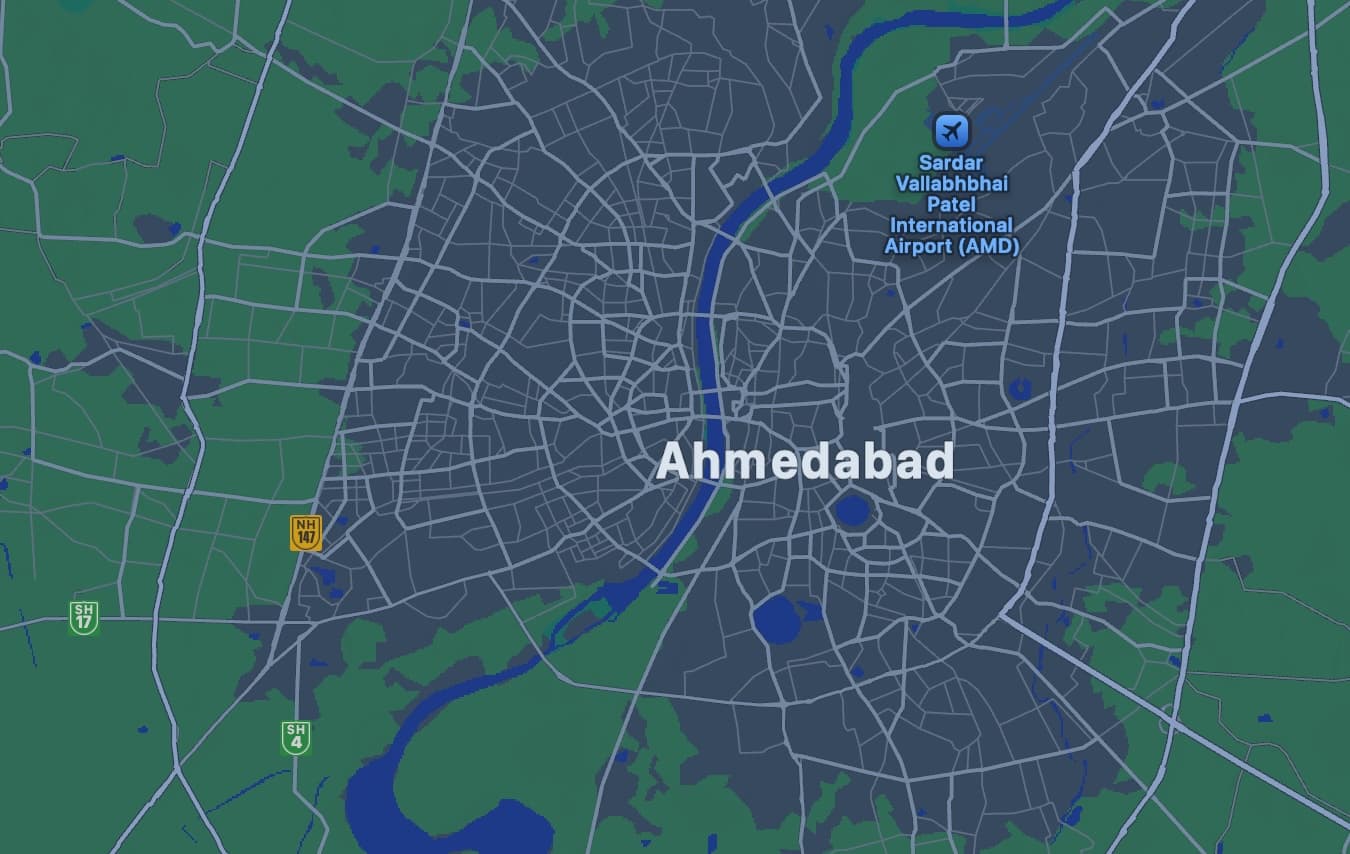
Map India. Join the grid.
VIGIA is a community-powered network for fresh Indian road intelligence— collected, verified, and shared in real time.
FOR DEVELOPERS
Developer‑first, enterprise‑ready.
VIGIA is built for rapid prototyping and clean production integrations—APIs, SDKs, and a playground that ship with compliance baked‑in.
Ship edge‑ready hazard intelligence without wrestling infra. Start in the browser, then graduate to SDKs and managed APIs when you’re ready.
Simple, stable endpoints for ingestion, hazard memory, and realtime alerts.
Browser and Node SDKs that hide ONNXRuntime/WebGPU complexity.
Tune prompts, voices, and routes in your browser before touching code.

BENCHMARKS
ARGUS v8x vs Simple YOLO
Measured on M2 MacBook Pro with CPUExecutionProvider. Batch=1, 200 runs, 20 warmup iterations.
* Privacy engine, blurs faces at edge.
Accuracy gains (estimated / predicted)
Benchmarks: M2 MacBook Pro, CPUExecutionProvider, batch=1. Stability = geomean(p90/p50, p99/p50, std/mean). Lower stability index is better.